Basic Panchkarma

Pancha means ‘five’ and Karma means ‘action’ together referring to five cleansing techniques. Once the body has undergone the specific Purva Karma techniques of external oleation and therapeutic heat, typically over a seven day duration, it is ready for elimination to take place.

Adjunctive Procedures of Panchakarma

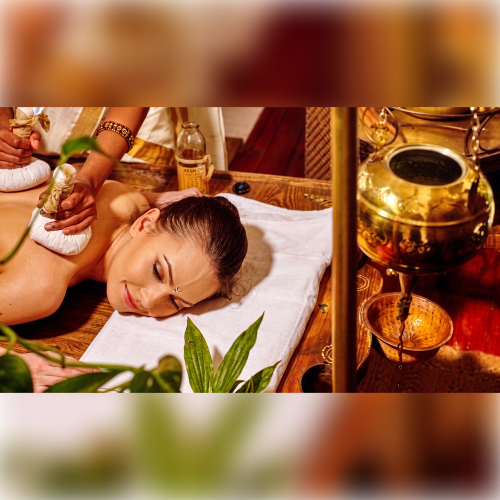
There is also a variety of procedures used to enhance elimination and help balance certain doshic imbalances. These generally employ some form of Snehana or Swedana and often address the functions of a particular dosha. Such procedures can be used outside of Panchakarma, on their own, or in conjunction with other treatments. They include Shirodhara, Pizhichil, Pinda Swedana, herbal steams and baths, bastis, herbal scrubs and pastes, and various massage techniques.

Nakshatra Ayurvedam Offers Panchkarma Are

1. Vamana

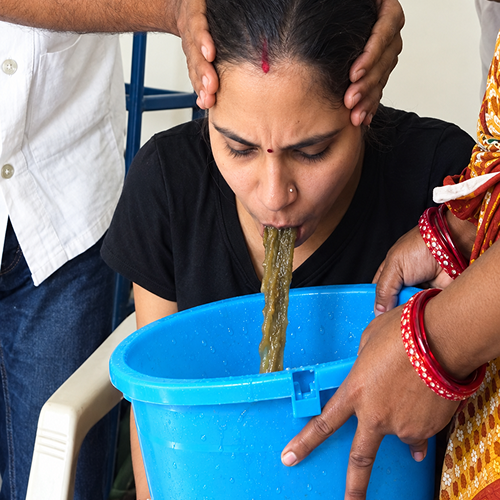
It is the procedure where the patient takes vamana dravya (medicines that help induce emesis). By administering this dravya, the patient vomits out impurities combined with Kapha Dosha.

Indications: Diabetes, Asthma, Chronic Cold, Chronic Sinusitis, Chronic Indigestion, Skin Diseases, Food Poisoning, Epilepsy, Anorexia, Specific Abdominal Disorders, and various Kapha-predominant diseases.

2. Virechana

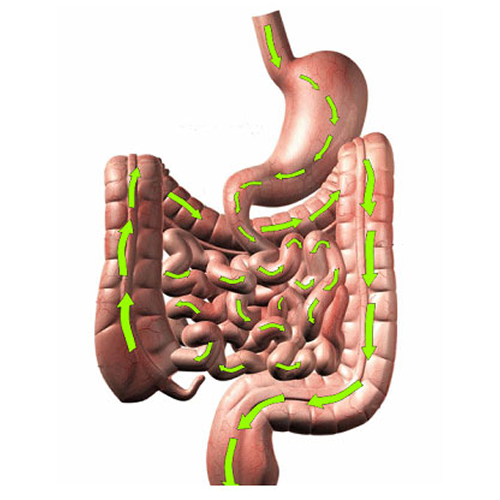
Virechana is used for Pitta imbalances such as hormonal dysfunction, fast digestion, acne, heat eruptions on the skin, anger and a stagnant liver. The therapy is focused on relieving Pitta from the small intestine.

Indications: Chronic Fever, Skin Diseases, Acne, Allergic Disorders, Eczema, Psoriasis, Ascites, Arthritis, Jaundice, Infertility, Oligospermia, Hyper Acidity, Worms, Gout, and various Pitta-predominant diseases.

3. Basti

Basti is used for Vata conditions such as arthritis, emaciation, anxiety, nervousness, depression, insomnia, brittle bones, constipation and nervous system disorders. The therapy is focused on nourishing and relieving Vata from the colon.

Indications: Chronic Constipation, Paralysis, Sciatica, Backache, Gynaecological Disorders, Infertility, Oligospermia, Arthritis, Heart Disease, and all types of pain.

4. Rakta Mokshan

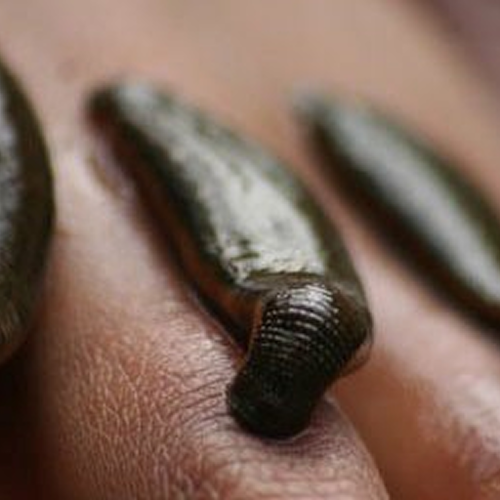
Rakta Mokshan is used to cleanse the blood, although there is some difference of opinion regarding this therapy, and many practitioners employ a second kind of Basti instead.

Indications: Gout, Leucoderma, Skin Diseases, Scabies, Chronic Itching, Skin Rashes, Alopecia, Urticaria, Hypertension, Enlargement of Liver & Spleen.

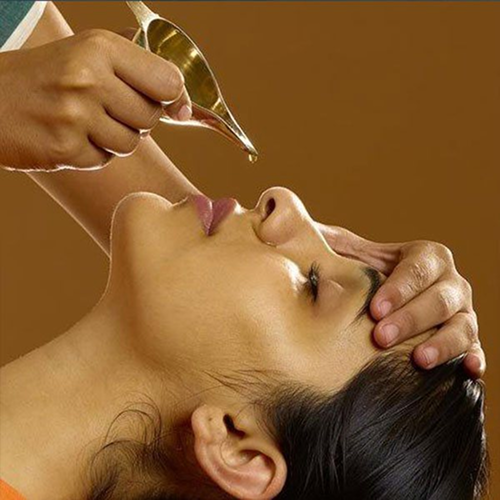
5. Nasya

Basti is used for Vata conditions such as arthritis, emaciation, anxiety, nervousness, depression, insomnia, brittle bones, constipation and nervous system disorders. The therapy is focused on nourishing and relieving Vata from the colon.

Indications: Chronic Constipation, Paralysis, Sciatica, Backache, Gynaecological Disorders, Infertility, Oligospermia, Arthritis, Heart Disease, and all types of pain.

6. Shirodhara

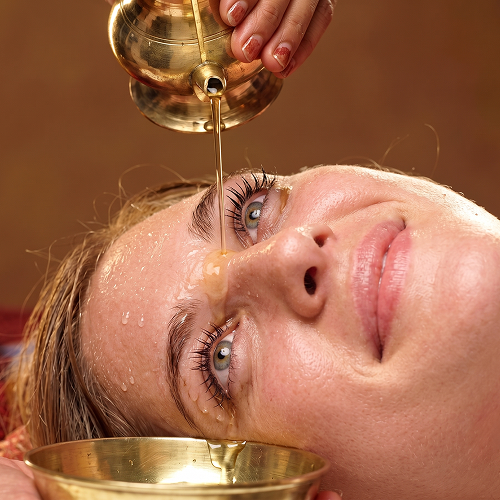
Shirodhara is a part of Ayurvedic therapy that involves gently pouring liquids over the forehead, and can be one of the steps within Panchakarma. The name comes from the Sanskrit ‘Shiro’ meaning ‘head’ and ‘Dhara’ meaning ‘flow.’ The liquid used depends on the treatment chosen — options include coconut water, oil, buttermilk, plain water or milk.

Indications: Headache, Hypertension, Dandruff, Grey Hair, Sleeplessness, Paralysis, Mental Disorders, Diseases of the Eye, Stress, Depression, Lack of Confidence, Lack of Concentration, Epilepsy, Dementia, Migraine; to relax the mind; to improve the function of the five senses; to improve intelligence; and to promote self-esteem.
7. Shirobasti

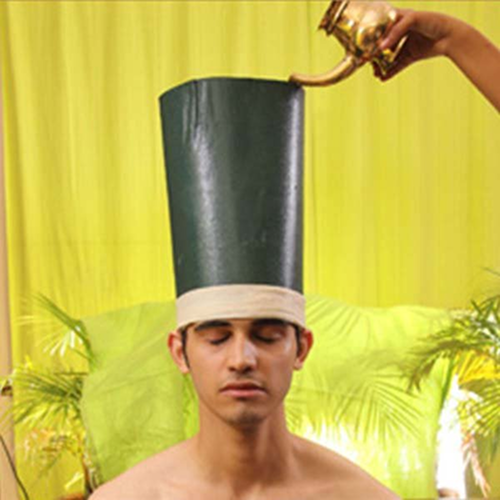
Shirobasti is an Ayurvedic procedure in which the outer area of the head is covered with a leather cap, keeping the interior hollow so that oil can be held there for a set period without leaking. ‘Shiro’ means head and ‘Basti’ means a container that holds liquids, so Shirobasti means holding oil on the head for a specific duration using a fitted cap.

Indications: Diseases of the Head, Hair Problems, Numbness in the Head, Facial Paralysis, Myopia, Mental Disorders, and for mental relaxation.

8. Netra Tarpana

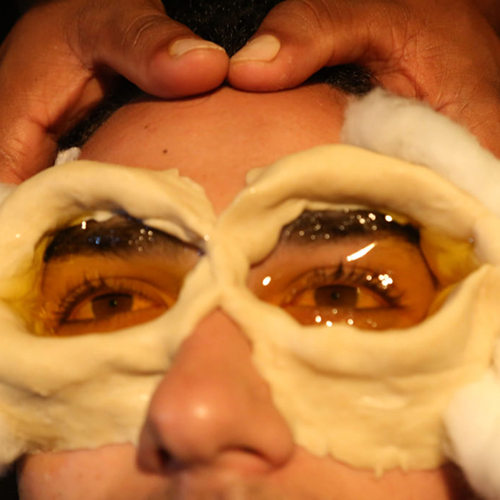
Netra Tarpana is a unique Ayurvedic therapy that provides specialised treatment for the eyes. It serves not only to treat eye diseases but also as a preventive method that supports cleanliness, rejuvenation and clear eyesight.

Indications: Fresh Myopia and Hypermetropia, Eye Strain, Redness of Eyes, Dryness in the Eye, Watering of Eyes, Burning of Eyes, and diseases of the retina.

9. Shastika Shali Pinda Swedana

Shastika Shali Pinda Swedana is an Ayurvedic treatment in which a sweat-inducing massage is given using a preparation of milk and rice, providing relief from pain and stiffness. This therapy also improves muscle strength and rejuvenates and re-energises the body.

Indications: Poliomyelitis, Muscular Dystrophy, Arthritis, Stiffness of Body, Paralysis, Cerebral Palsy, and to increase vitality.

10. Pizhichil

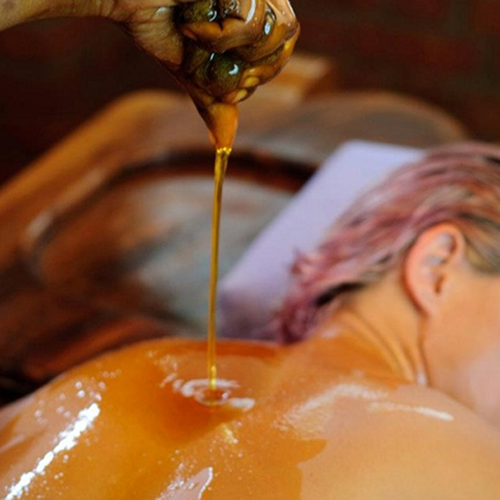
Pizhichil is an Ayurvedic massage that combines two therapies — oil therapy and heat therapy. It is a mild, coordinated body massage performed with a continuously flowing stream of warm medicated herbal oil.

Indications: Arthritic Pain, Physical & Sexual Weakness, Exhaustion, Stiffness of Body, Hypertension, and to increase vitality.

11. Patra Pinda Swedana

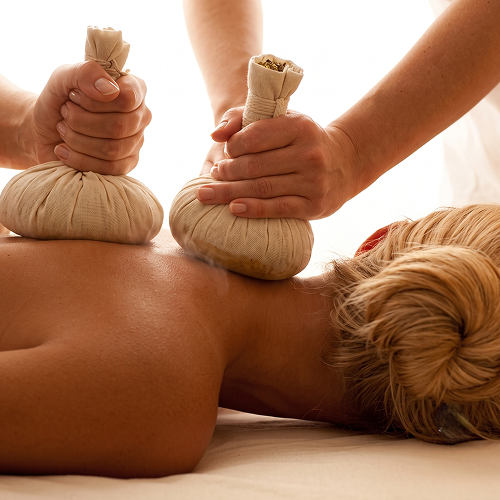
Patra Pinda Sweda is a form of sweat therapy used to relieve pain and to rejuvenate and strengthen the soft tissues, joints and muscles of the body. It is prepared from herbal ingredients, including the leaves of medicinal plants, to induce sweating.

Indications:
Poliomyelitis, Paralysis, Nervous Disorders, Backache, Frozen Shoulder, Arthritis, Fatigue, and various Vata-predominant diseases.

12. Nadi Swedana

This is a localised application of steam using herbal decoctions and medicated oils. The treatment focuses on specific areas of the body, such as sore joints or muscles, to improve mobility and flexibility and reduce pain and rigidity. It is well suited to those suffering from acute or chronic pain anywhere in the body, such as tendonitis, neck and shoulder pain, sciatica and frozen shoulder.

Indications: Backache, Arthritis, Cervical Spondylitis; relieves pain and oedema of the joints; removes muscular stiffness; removes malas from the body; improves joint mobility and blood circulation.

13. Hrid Basti

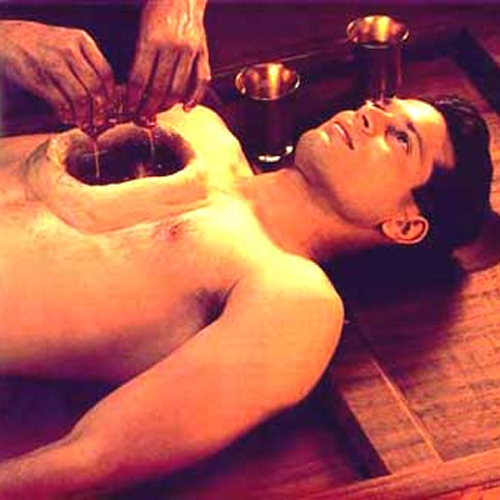
Hrid Basti refers to Hridaya, the heart, and Basti, the container or retainer — also known as Urobasti (Uro meaning chest). It is essentially an oil bath for the heart, in which medicated hot oil or a freshly prepared herbal decoction is poured over the heart region.

Indications: Various heart diseases.

14. Kati Basti

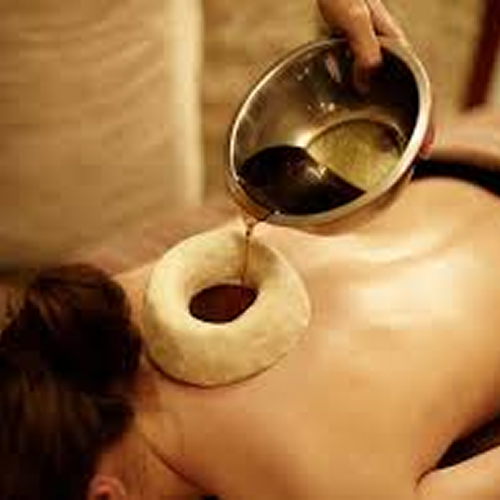
Kati Basti is a medicinal oil treatment for relieving tension in the lower back. The patient lies on their stomach while a ring made of a special flour-and-water paste is fixed onto the back. Hot oil is then poured inside the ring, and the patient remains in the same position for a period determined by their condition.

Indications: Backache, Sciatica, Spondylitis, Slip Disc.

15. Janu Basti

Janu Basti is one of the sub-procedures (upakarma) of Panchakarma. ‘Janu’ refers to the knees and ‘Basti’ to a container that retains medicated oil. This procedure strengthens the structure of the knee — its muscles and joints — and improves knee function, helping to prevent further degenerative changes.

Indications: Knee Pain and Arthritis.

16. Greeva Basti

Greeva Basti is an Ayurvedic neck-care therapy, essentially a hot-oil treatment in which the neck region is bathed in medicated oil or a freshly prepared herbal decoction, providing oleation and sudation to the neck simultaneously.

Indications: Cervical Spondylitis, Frozen Shoulder, Osteoarthritis.

17. Abhyanga

Abhyanga, or ‘oil massage,’ is a form of Ayurvedic medicine involving massage of the body with generous amounts of warm oil, often pre-medicated with herbs for specific conditions.

Indications: Lean & Thin People, Dryness of Skin, Insomnia, Obesity (Dry Massage – Udvartana), Loss of Appetite, Paralysis, Fatigue, Arthritis, Joint Pain, and as a pre-treatment for Panchkarma.

18. Steam Bath (Bashpa Swedana)

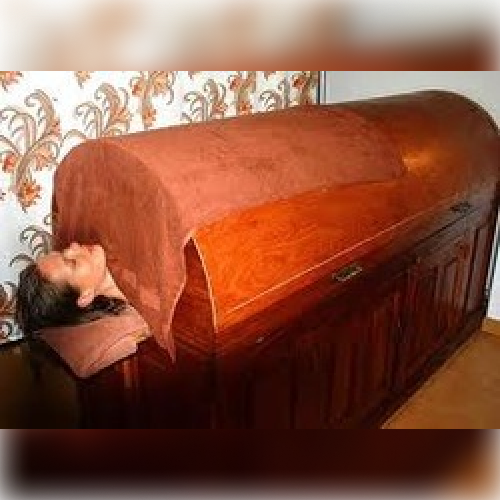
The leaves of medicinal plants are boiled with water in a swedanayantra, and the resulting vapour is passed over the whole body of the person seated in the steam box. This therapy is followed by a specific massage, and it gives lightness and energy to the body.

Indications: Paralysis, Arthritic Pain, Exhaustion, Neuralgic Pain, Stiffness of Body, various Vata-predominant diseases, and as a pre-treatment for Panchkarma.

19. Karna Purana

Karna Purana is the Ayurvedic procedure of instilling medicated oils or clarified butter (ghee) into the ears. It is beneficial for ear conditions, including hearing loss, tinnitus, Meniere’s disease (characterised mainly by vertigo), swimmer’s ear and other ear-related diseases.

Indications: Tinnitus, Deafness, Earache, Chronic Sinusitis, Facial Paralysis, Torticollis.

20. Matra Basti

Matra Basti (a daily oil enema) is used for someone who is emaciated from overwork or excessive exercise, heavy lifting, long-distance walking, excessive sexual activity, or for someone with chronic Vata disorders.

Indications: Vata vitiation, excessive weakness, excessive sexual intercourse, excessive travelling, excessive walking, excessive lifting of weights, excessive work, and general weakness.

21. Netra Dhara

This is a special eye therapy performed using a medicated decoction or oil, in which the eyes are washed with a medicated mixture. In this cleansing technique, a liquid herbal preparation is poured in a continuous stream over the eyes for around 30 minutes while the head rests in a comfortable position. The treatment involves washing the eyes with Triphala water, which cleanses the eyes and helps relieve various eye-related problems.

Indications: Conjunctivitis, Watering, Dry Eye, Eye Strain, Eye Redness, Blepharitis.

22. Bidalak Lepam

This is a special eye therapy performed using a medicated lepam — a mixture of water and medicated powder — with which the area around the eyes is painted. In this technique, the medicated mixture is washed off after 15 to 20 minutes.

Indications: Conjunctivitis, Watering, Dry Eye, Eye Strain, Eye Redness, Blepharitis.

23. Dhoom Pan

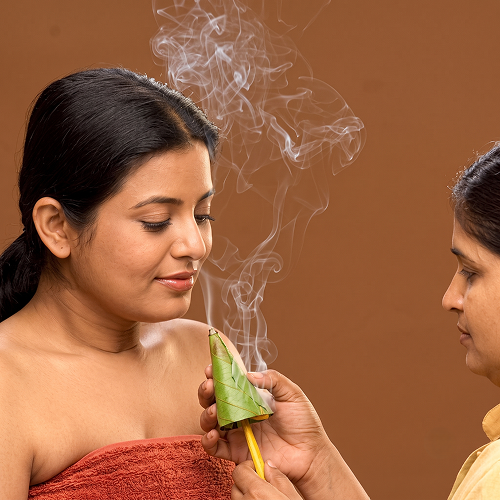
A traditional therapeutic method in which therapeutic smoke is directed into the ears and nose.

Indications: Treatment of Vata and Kapha.

24. Mukh Lepam (Ayurvedic Facial)

An Ayurvedic facial is one of the best natural beauty treatments for healthy, glowing skin. It includes a massage using special herbal oils or creams.

Indications: For all types of skin conditions and beauty treatment.

25. Spine Basti

Spine Basti is an important Ayurvedic treatment for pain management that focuses on the spine or vertebral column. It involves pouring specially prepared warm herbal oil over the spine area.

Indications:
Backache (particularly the lumbar region), Degenerative Spine Changes, Compressed Discs, Osteoporosis, Sciatica, Hip Pain, Shoulder Pain, Spinal Cord Compression.

26. Nabhi Basti

In this treatment, a small compartment or cabin is constructed around the navel using wet black-gram flour (as with Kati Basti or Janu Basti), creating a space to pool oils, juices or herbal decoctions.

Indications: Relieves digestive symptoms such as irritable bowel, flatulence, poor appetite, constipation and abdominal discomfort.

27. Nabhi Puran

Nabhi Puran is an Ayurvedic treatment method in which the navel pit is filled with medicaments, mainly medicated oils. It is mainly indicated for treating Vata and Pitta disorders.

Indications: Gastritis, uncontrolled diarrhoea, sprue, irritable bowel syndrome (IBS), abdominal pain.

28. Valuka Sveda

Valuka Sweda is a treatment in which heated sand is used for fomentation (sweat-inducing therapy) of painful areas. The sand is heated to a tolerable temperature, tied into a bolus, and the heated bolus is continuously rubbed over the affected area — the lower back, in this case. Indications: Used mainly to relieve pain, inflammation, swelling and stiffness associated with heel pain.

29. Upanah Sveda

Upanah Sveda is a treatment in which a blend of medicinal powders is used for fomentation of painful areas. The powder blend is heated to a tolerable temperature and applied to the affected part of the body. Indications: Used mainly to relieve pain, inflammation, swelling and stiffness associated with heel pain and knee-joint pain.

30. Ayurvedic Music and Sound Therapy

Several traditional ragas used in classical music are considered useful for a range of conditions, as described in ancient Ayurvedic texts such as ‘The Naad.’ Special sounds — including the conch (Shankh), singing bowl, Omkaar, mantras and the temple bell (Ghantnaad) — are also used in Ayurvedic sound therapy.

Indications: All psychiatric disorders, Garbh Sanskar, viral diseases, stress and depression, and various kinds of pain.

31. Agni Karm

Agnikarma (thermal cautery) is an ancient technique derived from Ayurveda, designed to relieve various muscular and joint disorders.

Indications: Painful conditions of musculoskeletal disorders; hard, elevated and desensitised vranas/ulcers; Granthi; Arsas; Bhagandara; Arbuda; Sleepada; Charmakeela and Antravridhi; and severe bleeding conditions.

32. Uttar Basti

Uttara Basti is one of the Panchakarma treatments in which liquid medicines are administered through the urethral or vaginal route, targeting diseases of the urinary and genital system.

Indications: Indicated for menstrual problems such as amenorrhea, dysmenorrhea, menorrhagia and leucorrhea; primary and secondary infertility; to remove tubal blocks; recurrent abortions; and PCOS.